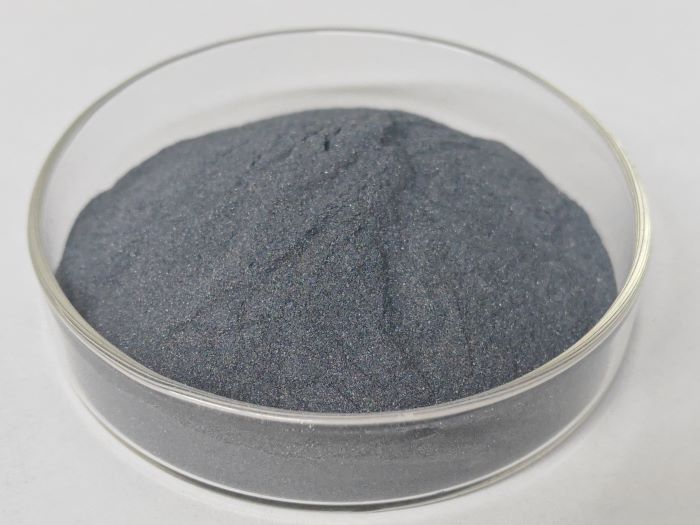
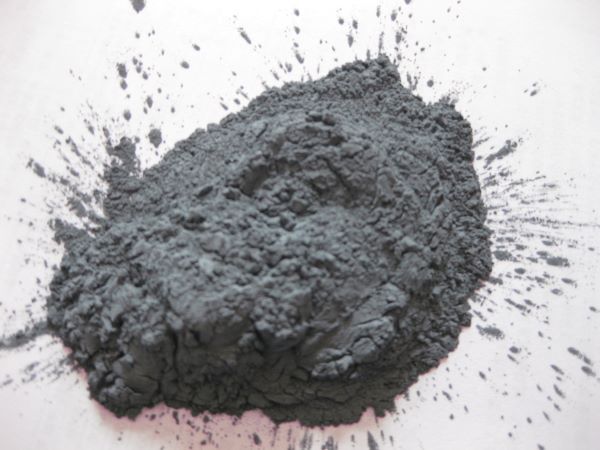
400# black silicon carbide powder for ceramic membrane GPF particulate filters
In the high-stakes arena of automotive emissions control, the performance of a Gasoline Particulate Filter (GPF) hinges on the quality of its ceramic membrane. Our 400# Black Silicon Carbide (SiC) Powder is a robust, high-performance, and cost-effective material engineered specifically for fabricating and finishing the durable ceramic substrates essential for modern GPFs. It provides the ideal balance of structural reinforcement, thermal management, and controlled porosity required to meet rigorous global emission standards.
Product Specifications
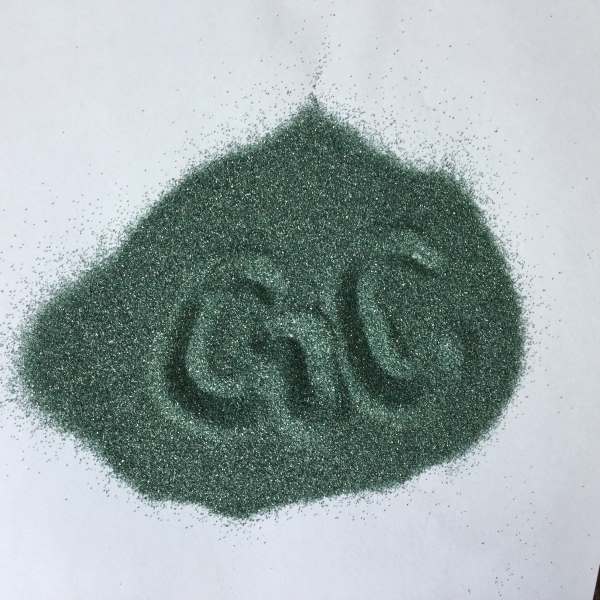
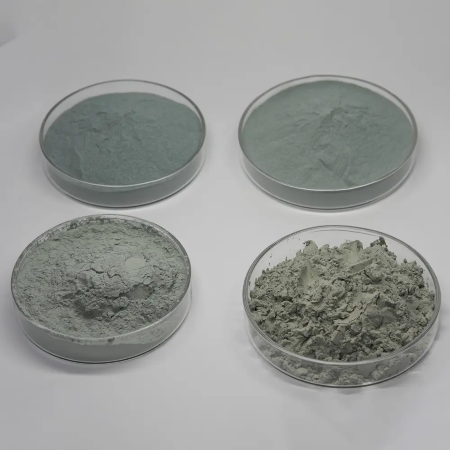
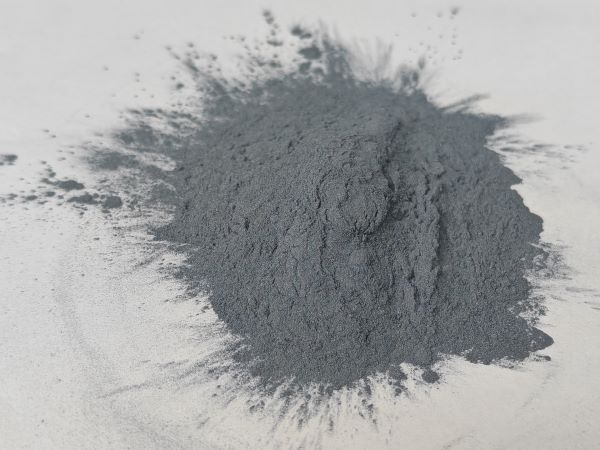
This product is black silicon carbide powder, precisely graded to the 400-grit specification. This corresponds to a controlled particle size distribution with a nominal median diameter of approximately 23-28 microns. Black silicon carbide is synthesized in an electric resistance furnace from high-quality quartz sand and petroleum coke, resulting in a material renowned for its extreme hardness (9.5 on the Mohs scale), high thermal conductivity, and excellent chemical inertness. Our production ensures consistent grit geometry and purity, making it a reliable and economical choice for high-volume filter manufacturing.
Key Features and Technical Advantages
-
Exceptional Strength & Durability: The primary role of 400# Black SiC powder is to act as a critical structural component. When used as a major constituent or reinforcing phase in the ceramic membrane (often alongside binders and other additives), it significantly enhances the mechanical strength, fracture toughness, and thermal shock resistance of the sintered GPF. This ensures long-term durability against the stresses of exhaust pulsation and high-temperature regeneration cycles.
-
Effective Pore Structure Formation: As a pore-forming agent within the ceramic slurry, the uniform 400-grit particles create a well-defined and interconnected network of pores upon sintering. This engineered microstructure is crucial for achieving high filtration efficiency for fine particulate matter (PM) while maintaining a manageable exhaust backpressure—a key performance parameter.
-
Superior Thermal Properties: Silicon carbide’s high thermal conductivity promotes even heat distribution across the filter substrate. This characteristic is vital for enabling efficient and complete regeneration (soot burn-off), preventing localized hot spots that could damage the filter, and ensuring consistent long-term performance.
-
Cost-Effective Performance: Black silicon carbide offers a highly favorable performance-to-cost ratio compared to many advanced ceramics. It delivers the essential properties of hardness, thermal stability, and structural integrity required for demanding GPF applications without premium material costs, enabling the production of reliable filters at a competitive scale.
-
Versatile Processing Aid: This powder also serves as an effective abrasive for precision grinding and surface finishing of sintered ceramic filter blocks, ensuring smooth channel walls that optimize flow dynamics.
Primary Application
This material is specifically designed for the automotive emissions industry, with a core focus on:
-
Ceramic Membrane Manufacturing: Used as a primary raw material or a key reinforcing additive in the formulation of the porous ceramic membrane for wall-flow GPFs.
-
Component Finishing: Employed as an abrasive for machining and finishing filter components to precise dimensional tolerances.
Conclusion
For manufacturers seeking a dependable, high-performance, and economical material solution for next-generation GPFs, our 400# Black Silicon Carbide Powder is an outstanding choice. It provides the fundamental building blocks for creating ceramic membranes that are not only highly effective at trapping harmful particulates but are also exceptionally tough and thermally resilient. By leveraging the inherent strengths of black SiC, this product empowers the production of filters that reliably comply with Euro 6d, China 6b, and other stringent regulations, supporting the global transition towards cleaner automotive technologies.