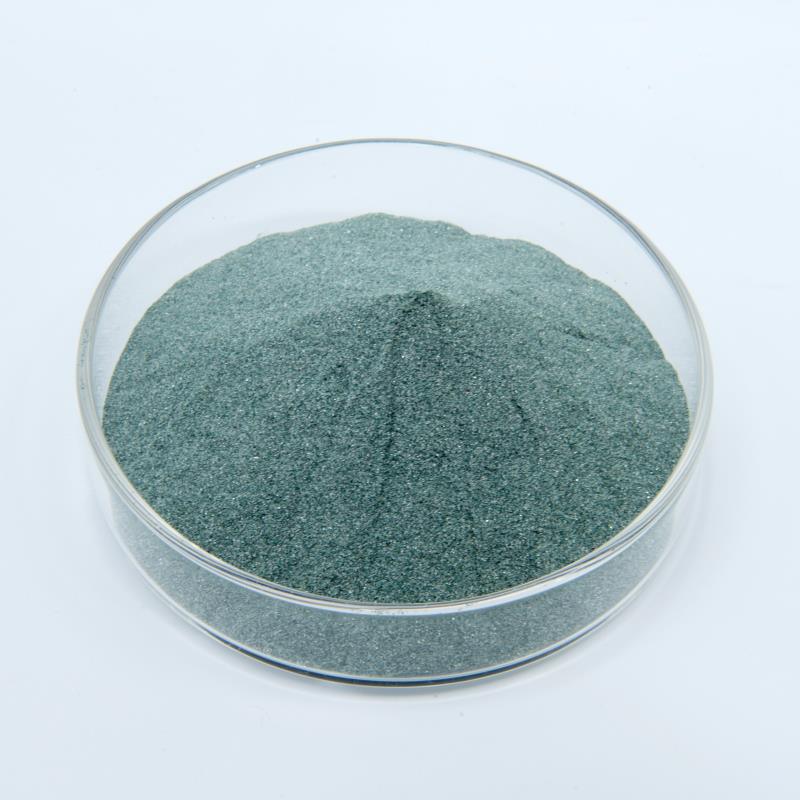
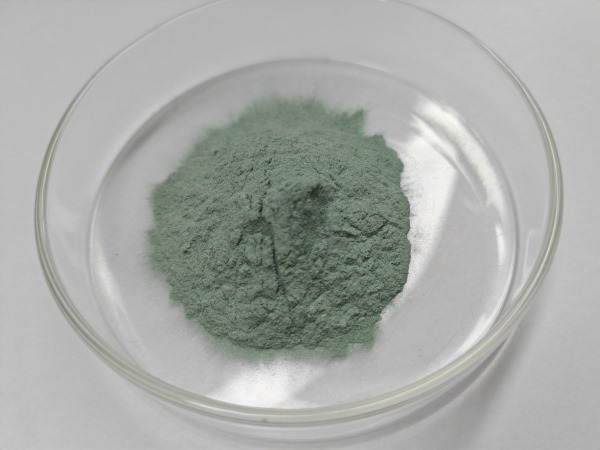
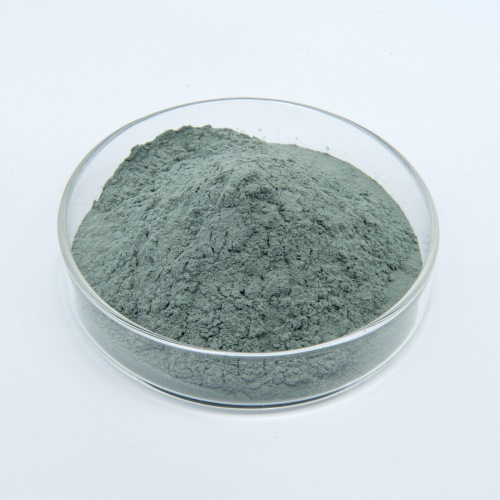
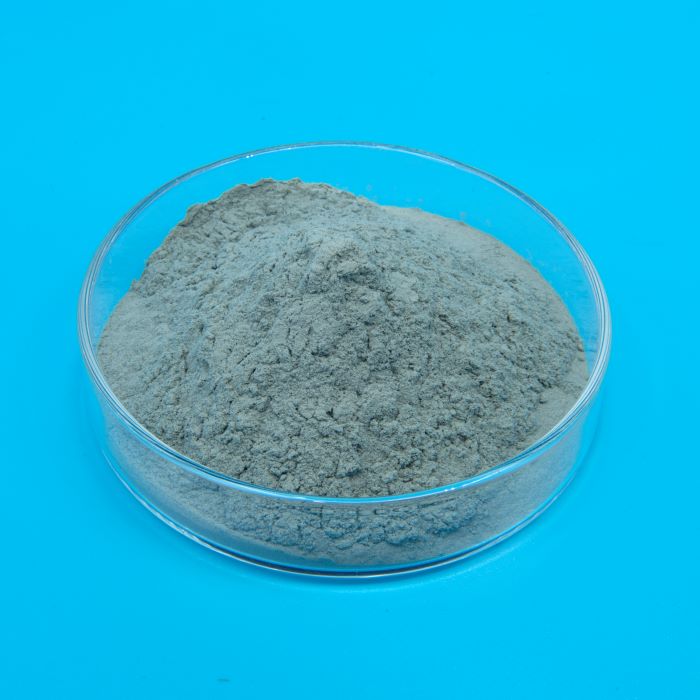
Green SIC powder JIS800# JIS600# JIS400# for quartz processing
Quartz processing demands abrasives that combine high hardness, consistent particle size distribution, and minimal contamination risk. Our Green Silicon Carbide (SiC) Powder, available in JIS800#, JIS600#, and JIS400# grades, is specifically engineered to meet these rigorous requirements. As one of the hardest synthetic abrasives (Mohs 9.5), green SiC excels in cutting, lapping, polishing, and surface finishing of quartz crystals, fused quartz, quartz glass, and engineered quartz stone. Whether your application involves semiconductor quartz components, optical lenses, or high-end quartz slabs, this powder delivers repeatable, high-purity results.
PHYSICAL PROPERTIES-Green SIC powder JIS800# JIS600# JIS400# for quartz processing
| Specific Weight | 3.95 g/ cm3 |
| Mohs Hardness | 9.5 |
| Maximum service temperature | 1900℃ |
| Melting Point | 2250℃ |
TYPICAL CHEMICAL ANALISIS [%]-Green SIC powder JIS800# JIS600# JIS400# for quartz processing
| SiC | Fe2O3 | F.C | F.Si | SiO2 | LOI |
| 98.0-99.5 | ≤0.15 | ≤0.30 | ≤0.40 | ≤0.70 | < 0.09 |
PARTICLE SIZE DISTRIBUTION
JIS STANDARD
| Size | DO(um) | D3(um) | D50(um) | D94(um) |
| #240 | ≤127 | ≤103 | 57.0±3.0 | ≥40 |
| #280 | ≤112 | ≤87 | 48.0±3.0 | ≥33 |
| #320 | ≤98 | ≤74 | 40.0±2.5 | ≥27 |
| #360 | ≤86 | ≤66 | 35.0±2.0 | ≥23 |
| #400 | ≤75 | ≤58 | 30.0±2.0 | ≥20 |
| #500 | ≤63 | ≤50 | 25.0±2.0 | ≥16 |
| #600 | ≤53 | ≤41 | 20.0±1.5 | ≥13 |
| #700 | ≤45 | ≤37 | 17.0±1.5 | ≥11 |
| #800 | ≤38 | ≤31 | 14.0±1.0 | ≥9.0 |
| #1000 | ≤32 | ≤27 | 11.5±1.0 | ≥7.0 |
| #1200 | ≤27 | ≤23 | 9.5±0.8 | ≥5.5 |
| #1500 | ≤23 | ≤20 | 8.0±0.6 | ≥4.5 |
| #2000 | ≤19 | ≤17 | 6.7±0.6 | ≥4.0 |
| #2500 | ≤16 | ≤14 | 5.5±0.5 | ≥3.0 |
| #3000 | ≤13 | ≤11 | 4.0±0.5 | ≥2.0 |
| #4000 | ≤11 | ≤8.0 | 3.0±0.4 | ≥1.8 |
| #6000 | ≤8.0 | ≤5.0 | 2.0±0.4 | ≥0.8 |
| #8000 | ≤6.0 | ≤3.5 | 1.2±0.3 | ≥0.6 |
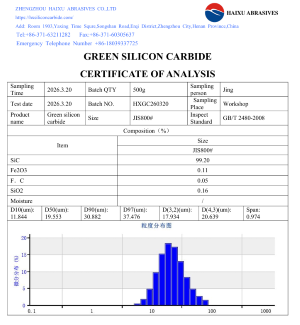
COA and PSD of Green sic JIS800#
Why Green SiC for Quartz? – Material Science Advantages
Green silicon carbide is produced through a high-temperature electric furnace reaction between high-purity silica sand and petroleum coke. Its unique properties make it superior to aluminum oxide or conventional abrasives for quartz processing:
-
Extreme Hardness (Mohs 9.5): Exceeds that of aluminum oxide (Mohs 9) and approaches diamond. This enables efficient cutting and shaping of quartz (Mohs 7) with minimal particle breakdown.
-
Sharp, Angular Grain Morphology: The brittle, sharp-edged particles create a micro-cutting action rather than a rubbing or smearing effect, producing clean, scratch-controlled surfaces essential for optical and electronic quartz.
-
High Thermal Conductivity: Dissipates heat rapidly during grinding and polishing, reducing the risk of thermal stress cracks or surface burns on heat-sensitive quartz materials.
-
Chemical Purity: Low iron and free-carbon content prevents surface discoloration or contamination – critical for semiconductor-grade quartz components where trace metals can compromise device performance.